How to get free or low cost legal help
Divorce and family legal issues can feel overwhelming, especially when you’re not sure where to start. This guide shares honest options to get free or low-cost help in the U.S., and how Next Page Family can help you find a qualified attorney.
- Free to request
- No obligation
- Your information stays private
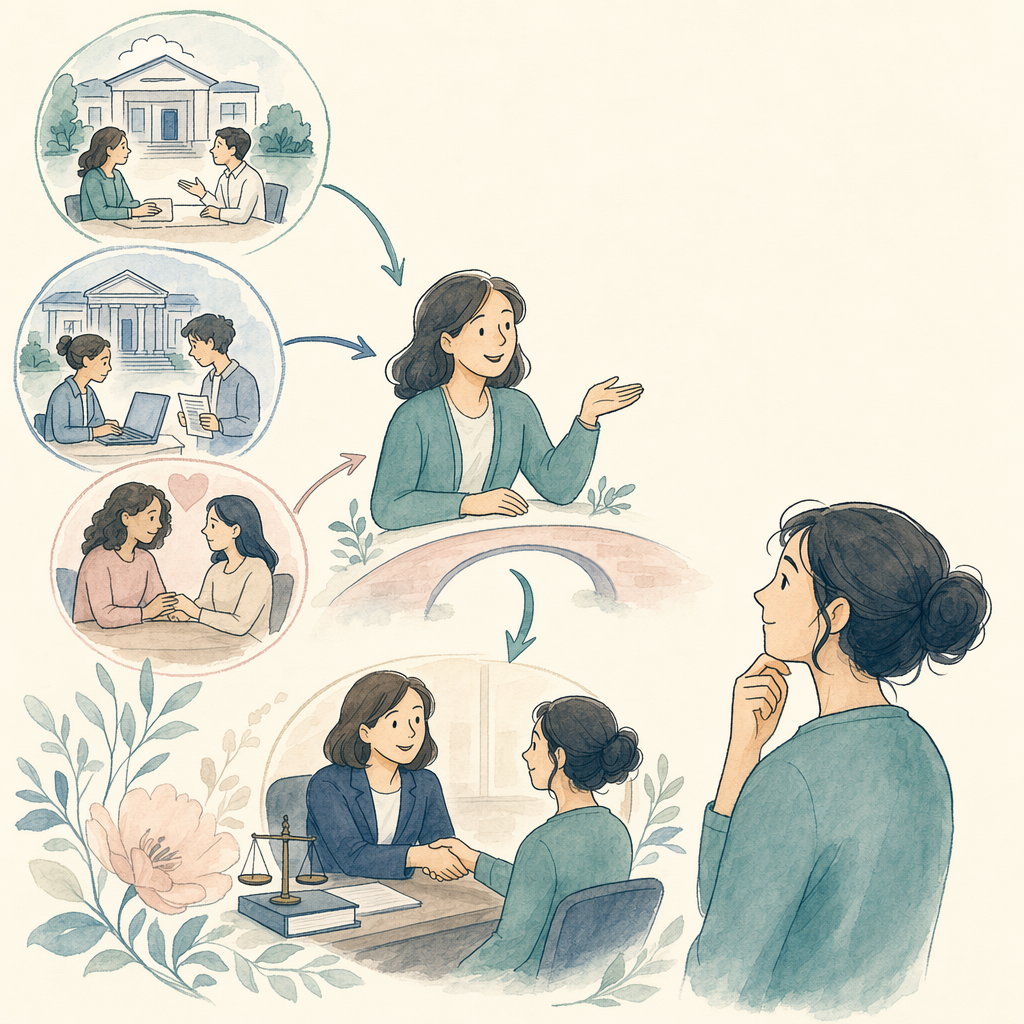
Start with the right kind of help (and where to look)
When you need help with family law, “legal help” can mean different things. Some programs give legal advice in specific areas. Others offer information, court help, or limited services.
Before you contact anyone, try to write down what you need. For example: divorce, custody/visitation, child support, spousal support, protection orders, or help responding to court papers. This helps you get connected faster.
Family law rules vary by state. So the best option for someone in California may not be the same as in Texas. If you don’t know your state yet, use your county or nearest court location as a starting point.
Free help options you can try first

Here are common ways people may get free legal help in family matters. Availability depends on income, location, and the type of case.
• Legal aid organizations: Many areas have non-profit legal aid that helps with certain civil legal problems, including some family law issues.
• Court-based self-help centers: Some courts offer free help desks, forms guidance, and workshops. They can help you understand procedures, but they usually cannot give individualized legal advice.
• Domestic violence advocacy services: If you’re dealing with safety concerns, local domestic violence organizations may offer free support services and can help you understand next steps. They often know what help is available in your area.
• Pro bono programs: Some attorneys take cases for free when the facts and funding match program rules.
Low-cost legal help options to consider
If free help isn’t available or isn’t enough, you may still be able to get legal help at a lower cost. Many attorneys offer options that can make services more manageable.
One common option is limited-scope representation. This can mean an attorney helps with certain parts of your case, like drafting a document or advising you for a specific hearing. You may still represent yourself in other steps.
Another option is a consultation. Many attorneys offer an initial meeting to understand your situation and explain your options. Even if you don’t hire full representation, that first step can help you avoid costly mistakes.
Also check whether your local court or community organizations have workshops or clinics for specific family law topics. These are often free or low-cost.
Get ready before you contact anyone
When you reach out for free or low-cost help, being prepared can save time and reduce stress. Gather basic information first.
Try to have these items ready (as applicable): your county and state, your case type (for example, divorce or custody), key dates, where the case is filed (if it’s already in court), and any court papers you received. If you can, note any deadlines on your paperwork.
If English isn’t your first language, look for services that offer interpreters or multilingual support. You can ask when you call. It’s okay to say you need help understanding paperwork.
How Next Page Family can help you find an attorney
Next Page Family is a FREE service that helps you understand divorce and family law in plain language and connect with a qualified family-law attorney. We are not a law firm, and we don’t provide legal advice.
If you’re not sure what kind of help you need, you can start with our divorce information first: Divorce . Then, when you’re ready, you can use Get matched to help you find a family-law attorney based on your situation.
If you want to build your understanding step by step, explore our guides here: Guides . These resources can help you feel more confident before you speak with anyone.
Important notes before hiring any legal help
Before you hire an attorney, it’s smart to ask questions about how they work and what services they can provide. You can ask what to expect next, which documents they need, and whether they offer limited-scope help.
If someone promises a guaranteed result, be cautious. Family law outcomes depend on many factors, and no one can guarantee what a court will decide.
Finally, keep copies of everything. Save emails, letters, and court notices. If you’re working with multiple resources (court help, a nonprofit, and an attorney), tell each one what the others are doing so you don’t miss deadlines.
Questions people ask
How do I know if I qualify for free legal help?
Many free legal programs use income rules and may also consider the type of case. The quickest way is to contact local legal aid or a court self-help center and ask what they cover and what documents they need.
Can I get help if I don’t speak English well?
Yes—ask about interpreter services or multilingual support when you contact an organization or attorney. You can also bring a trusted person to help with communication, if appropriate, while you review important paperwork.
If I can’t afford full representation, what are my options?
Look for limited-scope representation, where an attorney helps with specific steps like filings or a hearing. You can also use court self-help resources for forms and general process information.
What should I do first if I received court papers?
Check for deadlines right away. Gather the papers and any related documents, and consider contacting a qualified family-law attorney or a local legal aid organization as soon as possible.
Does free or low-cost help still mean someone can’t give legal advice?
Sometimes court self-help centers provide process guidance but not legal advice. Other programs may offer legal advice but may have limited coverage. Ask what kind of help you will receive before you rely on it.
Keep reading
The US Divorce Process, Explained Simply
A plain-language guide to the us divorce process, explained simply for people navigating f
Learn more GuideYour Rights in a Divorce
A plain-language guide to your rights in a divorce for people navigating family law in the
Learn more GuideDivorce and Your Immigration Status
A plain-language guide to divorce and your immigration status for people navigating family
Learn moreNot sure where to start?
Tell us what you need and we'll connect you with a qualified family-law attorney near you. Free to request, no obligation, in your language.