Preparing for Your First Attorney Consultation
Your first attorney consultation can feel stressful, especially if divorce or another family issue is already weighing on you. A little preparation can help you use the time well and feel more steady going in.
- Free to request
- No obligation
- Your information stays private

What this first meeting is for
A first consultation is usually a short meeting where you share your situation and the attorney explains how family law may apply in your state. It is a chance to ask questions, understand your options, and see whether the attorney feels like a good fit.
This is not the same as hiring someone right away. In many cases, you can use the meeting to learn what to expect before you decide on the next step.
Because family law varies by state, two people with similar situations may get different answers depending on where they live. That is one reason it helps to speak with a qualified family-law attorney who practices in your area.
- Learn how the process may work in your state
- Share the basic facts of your situation
- Ask about next steps and possible costs
- Decide whether you feel comfortable working together
What to gather before you go
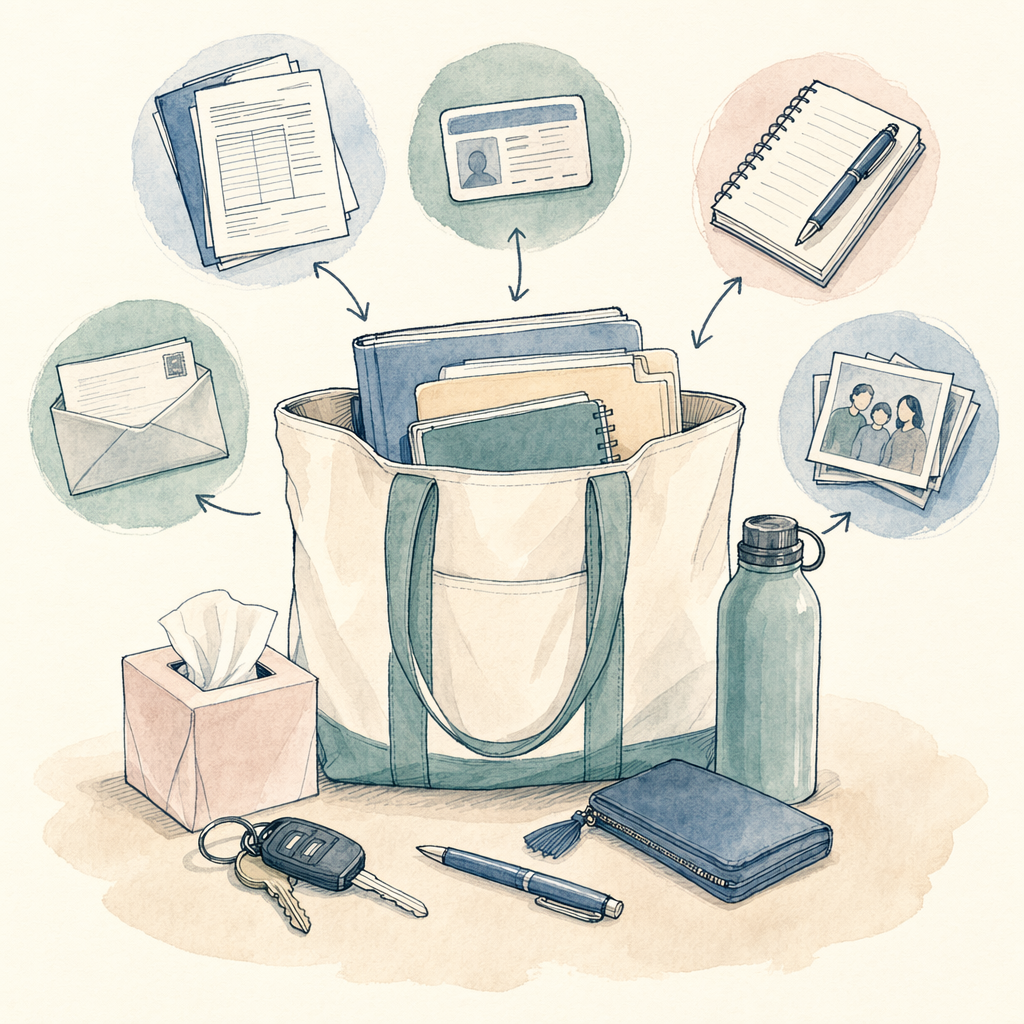
You do not need a perfect folder or every possible document. Start with the basics that help tell your story clearly. If something is missing, that is okay.
Helpful items may include any court papers, marriage or separation information, and notes about children, finances, or recent changes at home. If you are unsure what matters most, bring what you have and make a list of what you still need.
A simple timeline can be very useful. Write down the major dates and events in order, such as when problems started, when you separated, and any important issues about money, parenting, or safety.
- Court papers or notices
- Marriage, separation, or divorce-related documents
- A list of children’s ages and school or care arrangements
- Recent financial records, if relevant
- A short timeline of important events
Questions to ask the attorney
It is normal to feel nervous and forget what you wanted to ask. Bringing a written list can make the meeting easier. You do not need to sound polished or legal. Simple questions are fine.
You may want to ask how cases like yours are handled in your state, what the first steps usually are, and what deadlines or risks you should know about. You can also ask how the attorney communicates with clients and how often you can expect updates.
If cost is a concern, ask how billing works and what the likely expenses may be. A clear conversation about money can help you avoid surprises later.
- What should I do first in a case like mine?
- What deadlines should I know about?
- What documents should I gather next?
- How do you communicate with clients?
- How does billing work?
How to talk about your situation
Try to be honest and stick to the facts you know. You do not have to tell your whole life story, but it helps to explain what happened, what is happening now, and what worries you most.
If English is not your first language, you can say that at the start. It is okay to ask for slower speech, simpler words, or an interpreter if one is available. Clear communication matters, and it is better to ask for help than to pretend you understand everything.
If there is a history of abuse, threats, or urgent safety concerns, say so early in the meeting. That kind of information can change what immediate steps make sense.
- Be honest about the facts
- Share what matters most to you right now
- Ask for simpler words if needed
- Mention safety concerns right away
How to feel more prepared and less overwhelmed
It can help to write down your top three goals before the meeting. For example, you may want to understand custody, learn about the divorce process, or find out how to protect important documents. Keeping the list short can make the conversation easier to follow.
Bring a notebook or use your phone to take notes. After the meeting, write down the next steps while everything is still fresh. If you are meeting more than one attorney, keeping your notes in one place makes comparison easier.
If you are still looking for the right family-law attorney, get matched with a qualified attorney who practices in your state. You can also read more in our guides or explore general information about divorce services.
- Write your top three goals
- Take notes during the meeting
- Ask what to do next before you leave
- Keep copies of any documents you share
Questions people ask
Do I need to bring every document I have?
No. Bring the most important papers you can find, plus a list of what is missing. The attorney can often tell you what else would be helpful.
What if I do not speak English well?
Say that right away. You can ask for slower speech or an interpreter if one is available, and it is okay to bring a trusted person if needed.
Will the attorney tell me exactly what will happen?
Not exactly. Family law depends on the facts and on state law, so the attorney can explain general options and likely next steps, but no one should promise a result.
Can I talk to more than one attorney before choosing?
Yes. Many people speak with more than one attorney before deciding. It can help you compare communication style, experience, and how comfortable you feel.
Keep reading
The US Divorce Process, Explained Simply
A plain-language guide to the us divorce process, explained simply for people navigating f
Learn more GuideYour Rights in a Divorce
A plain-language guide to your rights in a divorce for people navigating family law in the
Learn more GuideDivorce and Your Immigration Status
A plain-language guide to divorce and your immigration status for people navigating family
Learn moreNot sure where to start?
Tell us what you need and we'll connect you with a qualified family-law attorney near you. Free to request, no obligation, in your language.