Protecting Yourself and Your Children
Going through divorce or custody issues can feel scary, especially if you worry about your safety or your children’s well-being. This guide offers practical, general information to help you protect yourself while you learn your options.
- Free to request
- No obligation
- Your information stays private
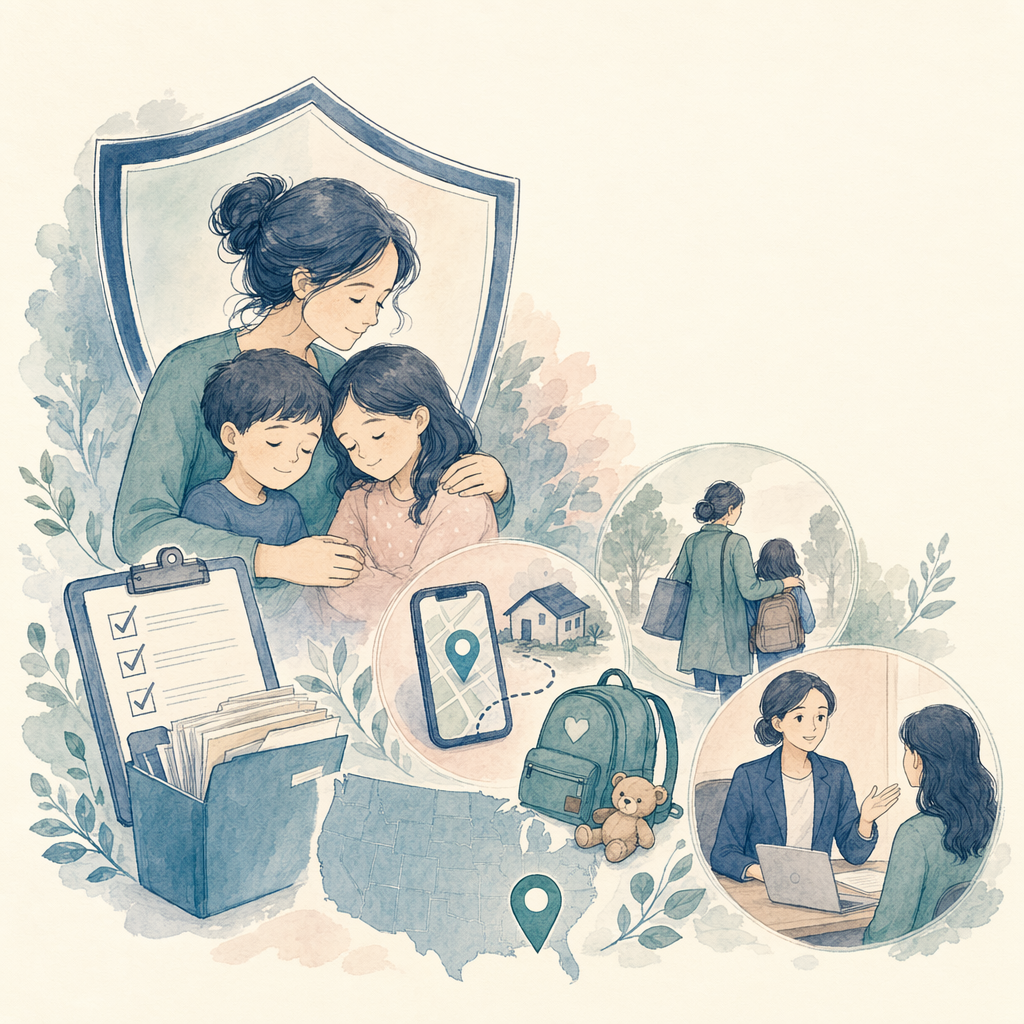
You’re not alone—safety comes first
Family law matters can bring up stress, conflict, and fear. If you’re worried about harm, your safety and your children’s safety come first.
This page is general information for people navigating family law in the United States. Family law and safety rules vary by state, so it’s important to check local options with a qualified family-law attorney.
If you or your children are in immediate danger, call your local emergency number right now. If you can do so safely, write down any details you want to share later (dates, messages, and incidents).
Know the types of protection available in many states
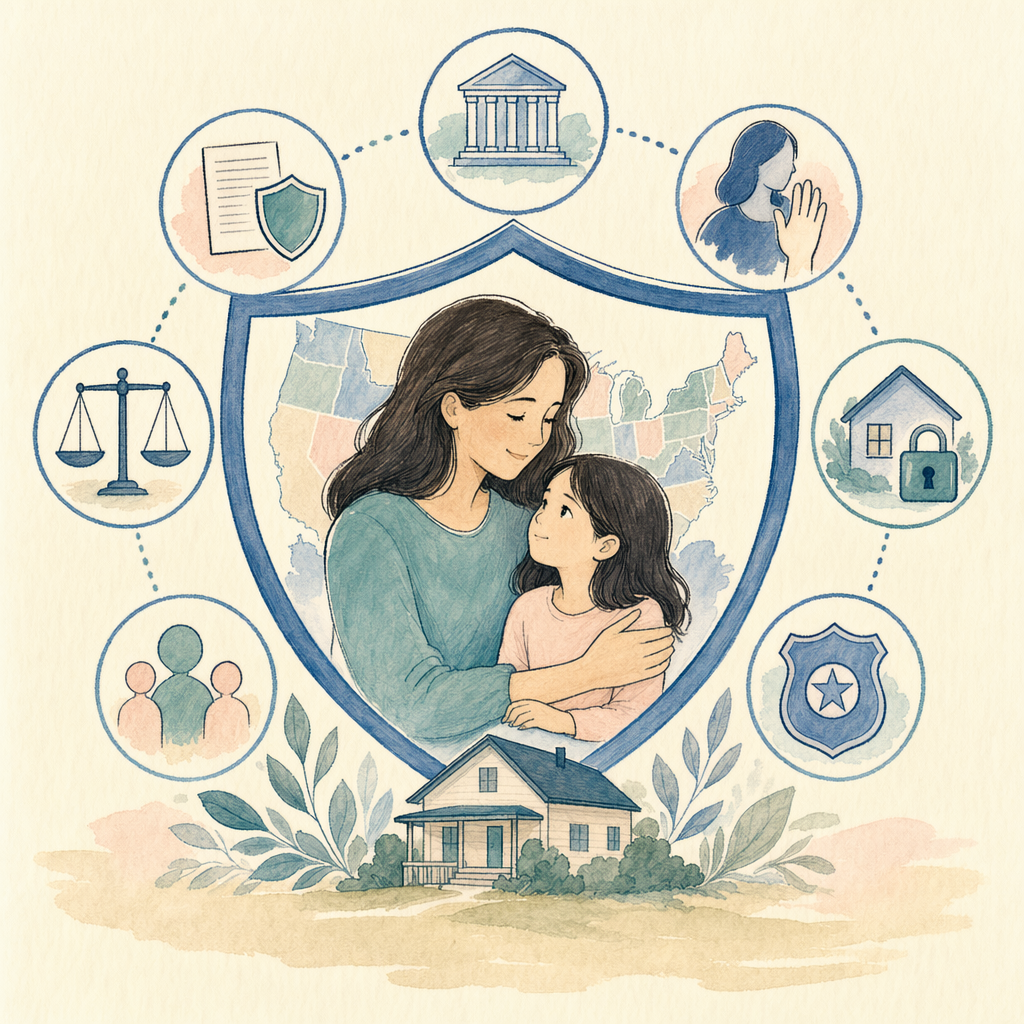
Many states offer protective orders or similar court orders when someone needs legal protection from abuse or threats. These orders can sometimes cover things like staying away, not contacting you, and limiting access to children.
In family-law cases, safety-focused steps may also come up during divorce or custody. For example, courts may consider safety concerns when deciding parenting time or custody arrangements.
Because the names and details differ by state, you can start by learning what your state calls these options and what information the court typically looks for.
Document what happened—keep it simple and specific
If you think your safety or your children’s safety is at risk, documentation can help you explain the situation clearly. Keep records that are factual and specific.
Consider writing down: dates and times, what happened, who was involved, where it occurred, and any witnesses. Save screenshots, emails, voicemails, and text messages. If there are injuries, keep medical records or photos if you can do so safely.
Avoid exaggeration. Just record what you observed and what was said or done. If you’re worried about someone taking your phone or computer, ask a trusted person if there is a safe place to store copies.
Plan for communication and contact
When relationships are tense, communication can become risky. If you believe contact could escalate conflict, consider safety-focused limits.
Some people choose to communicate only in writing and only when necessary for practical matters. Others may work through court-ordered arrangements if available in their case. If you are dealing with a protective order, follow it exactly, even if the other person asks for “exceptions.”
If you need help figuring out what to do next, you can get matched with a qualified family-law attorney who can explain options in your state.
Protect your children’s safety and daily routine
Your children’s safety may be affected by where they go, who picks them up, and how schedules change during a family-law case. When possible, create a calm plan for the days around transitions.
Think about practical questions: Who knows the new pickup/drop-off plan? Where will your children go if something changes last minute? Do you need a safety contact at school or childcare? If there are safety concerns, ask about ways to limit who can access your children.
Safety planning can be emotional, but it doesn’t have to be complicated. Start with the next few days and build a plan you can maintain.
Talk to an attorney with safety in mind
A qualified family-law attorney can help you understand how safety issues may affect divorce, custody, parenting time, and protective orders in your state. They can also help you organize your facts and choose next steps.
If you want to learn more about the process, you can review our services/divorce page for general guidance. For more learning resources, visit guides.
When you meet with an attorney, bring your documentation, list your safety concerns, and write down what you want to protect—your children’s wellbeing, your personal safety, and reliable communication.
Questions people ask
What should I do right now if I’m worried about abuse or threats?
If you or your children are in immediate danger, call your local emergency number. If you can do so safely, gather basic facts (dates, messages, witnesses) and consider contacting a qualified family-law attorney to learn what protection options may exist in your state.
Will documenting messages or injuries help in family court?
Often, clear and factual records can help explain safety concerns. Keep copies of messages and any medical or other records you have, and focus on what you personally observed and when it happened.
Can family law decisions affect custody or parenting time when safety is a concern?
In many places, safety concerns can influence how parenting time or custody is handled. The details depend on your state and the specific facts of your case, so it’s important to get state-specific guidance from a qualified family-law attorney.
Do I have to keep communicating with the other parent?
Not always. Safety-focused approaches depend on your situation and any court orders. If you have restrictions from the court, follow them carefully; an attorney can help you understand what communication is allowed in your state.
Where can I find help understanding divorce and family law basics?
You can start with general guides on Next Page Family, and you can [get matched](/get-matched/) with a qualified family-law attorney to learn options in your state. Family law varies by state, so it helps to get local context.
Keep reading
The US Divorce Process, Explained Simply
A plain-language guide to the us divorce process, explained simply for people navigating f
Learn more GuideYour Rights in a Divorce
A plain-language guide to your rights in a divorce for people navigating family law in the
Learn more GuideDivorce and Your Immigration Status
A plain-language guide to divorce and your immigration status for people navigating family
Learn moreNot sure where to start?
Tell us what you need and we'll connect you with a qualified family-law attorney near you. Free to request, no obligation, in your language.