What is a parenting plan
A parenting plan can feel like one more hard thing to deal with during a breakup. In plain English, it is a written plan that explains how parents will care for their children after separation or divorce.
- Free to request
- No obligation
- Your information stays private
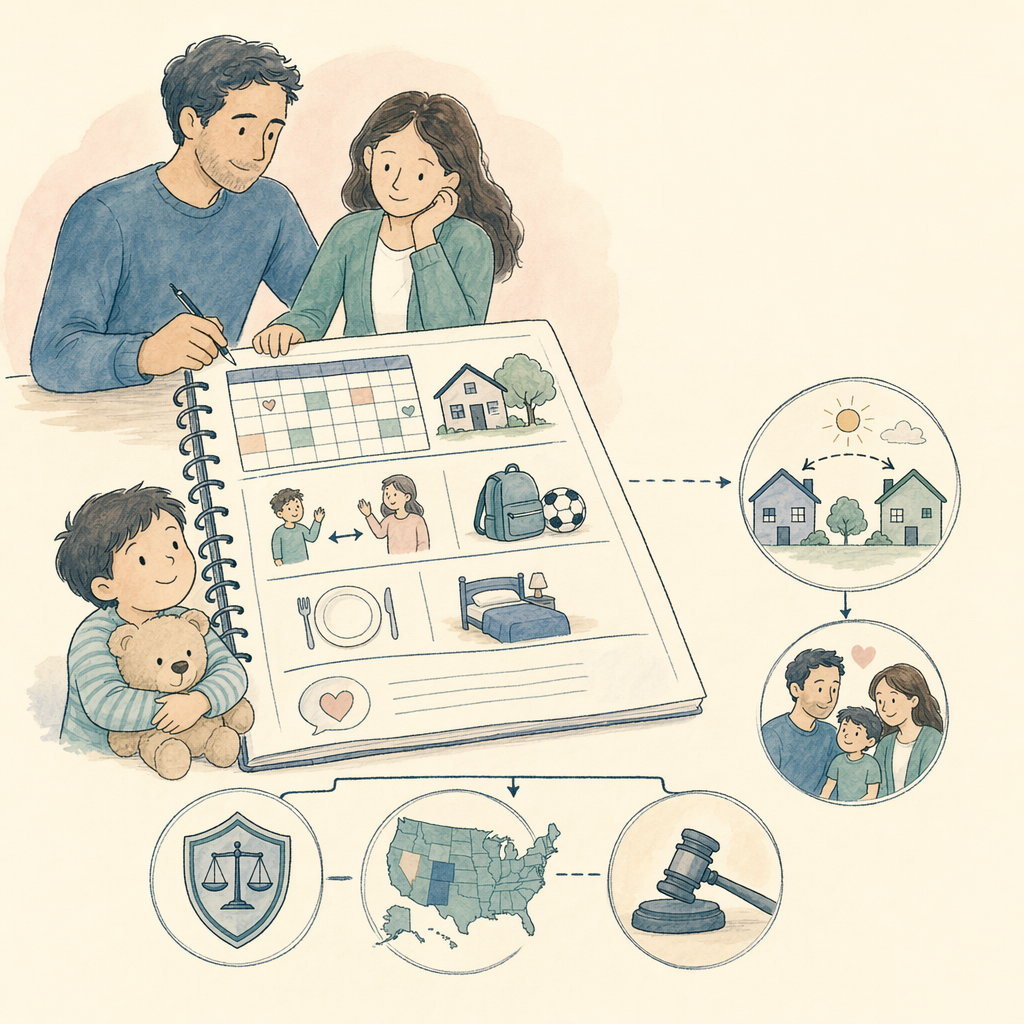
What a parenting plan is
A parenting plan is a document that sets out how parents will share time, decisions, and responsibilities for their children. It is often used when parents live apart, divorce, or need a clearer routine for co-parenting.
Family law varies by state, so the exact rules and terms may be different where you live. In many places, a parenting plan may be part of a court case, or it may be a private agreement between the parents.
The main goal is to create a stable, predictable routine for the child. It can also reduce confusion and conflict by putting important decisions in writing.
What is usually included
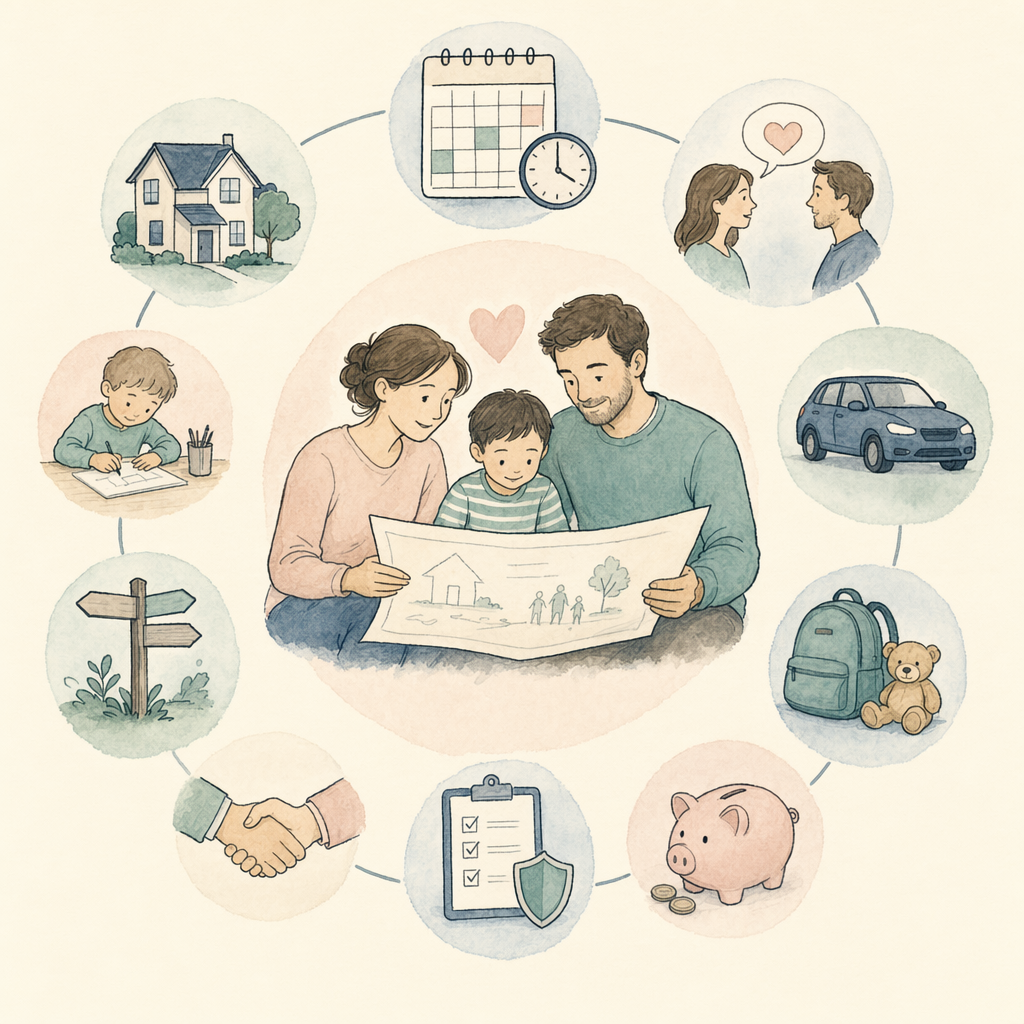
A parenting plan can cover the everyday details and the big decisions. Some plans are very detailed. Others are more general.
Common topics include where the child will live, when each parent has parenting time, how holidays and school breaks are shared, and how parents will talk about the child’s needs.
It may also explain who makes decisions about school, health care, religion, and activities. Some plans include rules about transportation, phone calls, travel, and how to handle changes if a parent is sick or running late.
- Regular parenting time schedule
- Holiday and vacation schedule
- School and child care routines
- Decision-making for school, health, and other major issues
- How parents will communicate
- How changes and emergencies will be handled
Why it matters
A clear plan can help children know what to expect. That can be especially important when family life is changing and emotions are high.
It can also help parents avoid repeated arguments about the same issues. When the schedule and responsibilities are written down, it is often easier to follow the same plan over time.
If parents cannot agree, a court may look at the child’s best interests when making or approving a plan. That does not mean every family gets the same result. It depends on the facts, the child’s needs, and state law.
How a parenting plan is made
Some parents work out a plan on their own, sometimes with help from a mediator or attorney. Others ask the court to decide parts of the plan if they cannot agree.
If you are thinking about divorce or separation, it can help to learn the basic process first. Our divorce services page explains how Next Page Family helps people understand their options and connect with a qualified family-law attorney.
You can also browse our guides for more family-law information in plain language. If you want help finding a family-law attorney, you can get matched.
A few practical tips
If you are creating or reviewing a parenting plan, start with the child’s daily needs. Think about school, sleep, transportation, and who can realistically handle each part of the schedule.
Try to keep the plan clear and specific. Simple words can prevent misunderstandings later. It is also a good idea to plan for common problems, like holiday changes, illness, and communication between homes.
If the situation feels tense or unsafe, or if you are unsure what is allowed in your state, speak with a qualified family-law attorney. We are not a law firm, and this page is only general information.
Questions people ask
Is a parenting plan the same as custody?
Not exactly. A parenting plan often includes custody-related terms, but it usually focuses on the child’s schedule, decision-making, and day-to-day care. States may use different words, so the meaning can vary.
Do I need a parenting plan if we agree?
Often, yes. Even if parents agree now, a written plan can help prevent confusion later. In some cases, the court may also need to review or approve it.
Can a parenting plan be changed later?
Usually it can, but the process depends on state law and whether both parents agree. If there has been a big change in life or the child’s needs, it may be worth getting legal guidance.
Keep reading
The US Divorce Process, Explained Simply
A plain-language guide to the us divorce process, explained simply for people navigating f
Learn more GuideYour Rights in a Divorce
A plain-language guide to your rights in a divorce for people navigating family law in the
Learn more GuideDivorce and Your Immigration Status
A plain-language guide to divorce and your immigration status for people navigating family
Learn moreNot sure where to start?
Tell us what you need and we'll connect you with a qualified family-law attorney near you. Free to request, no obligation, in your language.