What is a restraining order
A restraining order can feel urgent and confusing, especially during a family conflict. Here’s a plain-language overview of what it is, when people ask for one, and how it may work in the US.
- Free to request
- No obligation
- Your information stays private
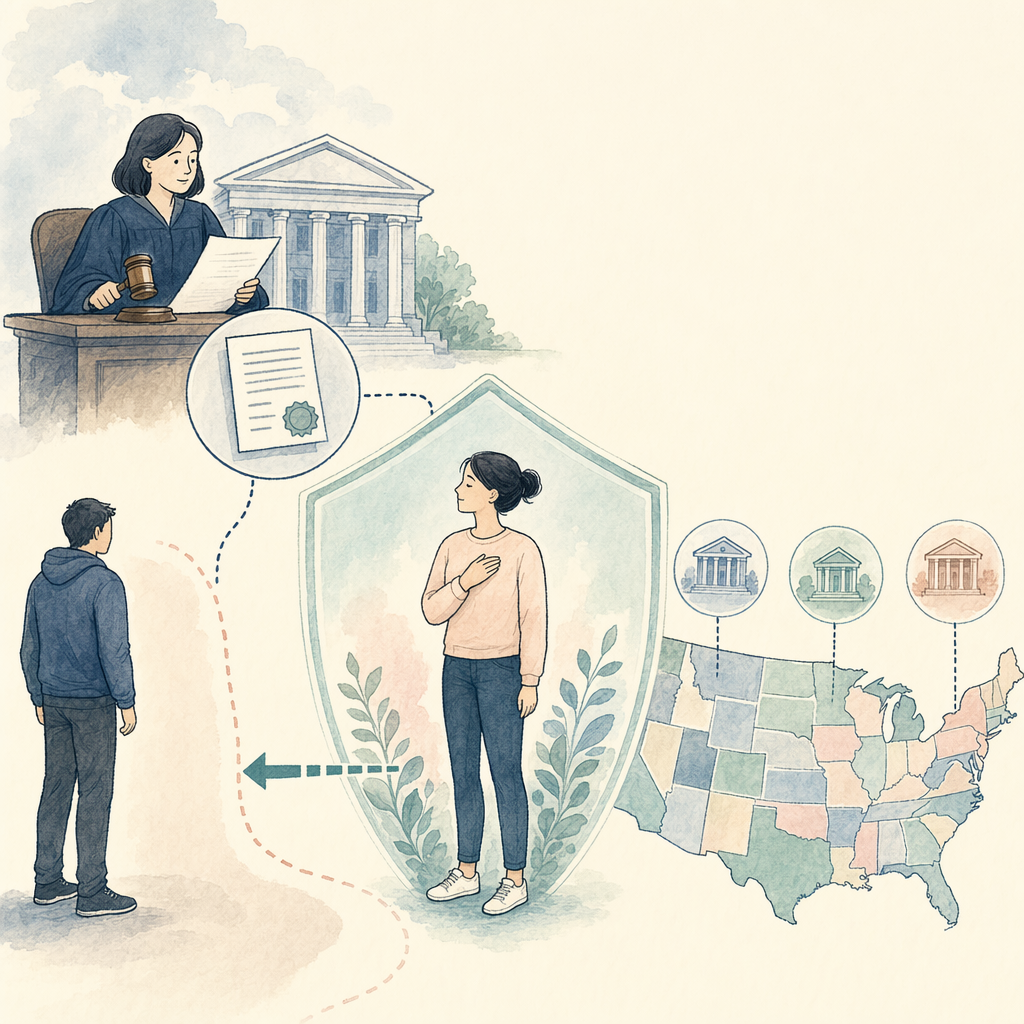
What a restraining order means
A restraining order is a court order that tells one person to stop certain actions or stay away from another person. It is often used when someone feels unsafe, threatened, harassed, or at risk of harm.
In family law, people may also hear terms like protective order, domestic violence order, or no-contact order. The exact name and rules depend on the state. Family law varies by state, so the details can be different where you live.
A restraining order is not the same in every situation. Some orders are meant to protect someone right away. Others are part of a longer court process. Because the rules can change from state to state, it helps to understand the local process before you act.
When people ask for one

People often ask for a restraining order during a breakup, separation, divorce, or custody dispute. It may come up if there has been violence, threats, stalking, repeated unwanted contact, or serious fear for safety.
Sometimes the concern is not physical harm, but behavior that feels frightening or controlling. That can include repeated calls, messages, showing up uninvited, or trying to pressure someone through children or family members.
If you are in immediate danger, call 911 or local emergency services. A restraining order can be part of safety planning, but it is not the same as emergency help.
What a restraining order can do
A restraining order may require a person to stay a certain distance away, stop contacting someone, or move out of a shared home. In some cases, it can also address schools, workplaces, vehicles, or shared custody exchanges.
Some orders can also include temporary rules about children, pets, property, or firearms. Not every order includes all of these terms. A judge decides what is allowed under the law in that state and based on the facts presented.
It is important to read the order carefully. Even if the situation feels personal or messy, a court order must usually be followed exactly until it changes or ends.
How the process often works
The process usually starts with a person filing papers with the court. In some states, a judge can issue a temporary order first, sometimes the same day, if there is an urgent safety concern.
Later, there may be a hearing where both sides can speak. The judge then decides whether to keep the order, change it, or end it. The steps, timelines, and forms can vary a lot by state and county.
If you are trying to understand your options, guides can help you learn more about family-law topics. If you also need help with divorce, you can read about divorce services. If you want help connecting with a qualified family-law attorney, you can get matched.
What to keep in mind if you are involved
A restraining order can affect daily life in serious ways. It may change where someone can go, how they communicate, and sometimes how they handle parenting or property issues.
If you received papers, do not ignore them. Read everything carefully and check the deadline for a hearing or response. If you are thinking about asking for an order, write down dates, messages, threats, witnesses, and any other facts that may help explain what happened.
Because this area can involve safety, family conflict, and court deadlines, it can be helpful to talk with a qualified family-law attorney in your state. Next Page Family is a free service that helps people find a family-law attorney, and we can connect you with one who can explain the process in more detail.
Questions people ask
Is a restraining order the same as a protective order?
Sometimes people use those words to mean similar things, but the exact legal term depends on the state. The rules and forms can be different, so it is best to check the local court process.
Can a restraining order affect child custody?
It can, in some situations. A judge may include temporary rules about parenting time or exchanges if safety is a concern, but the details depend on state law and the facts of the case.
Do I need a lawyer to ask for a restraining order?
Not always, but having guidance can help you understand the forms, deadlines, and local rules. We help people connect with a qualified family-law attorney who can explain the process in their state.
What should I do if I was served with a restraining order?
Read the papers right away and note any court dates or deadlines. If you are unsure what they mean, speak with a family-law attorney as soon as you can.
Keep reading
The US Divorce Process, Explained Simply
A plain-language guide to the us divorce process, explained simply for people navigating f
Learn more GuideYour Rights in a Divorce
A plain-language guide to your rights in a divorce for people navigating family law in the
Learn more GuideDivorce and Your Immigration Status
A plain-language guide to divorce and your immigration status for people navigating family
Learn moreNot sure where to start?
Tell us what you need and we'll connect you with a qualified family-law attorney near you. Free to request, no obligation, in your language.