What is sole custody
Custody can feel overwhelming, especially during divorce or separation. This guide explains what “sole custody” means in everyday terms, and how it may work in different US states.
- Free to request
- No obligation
- Your information stays private
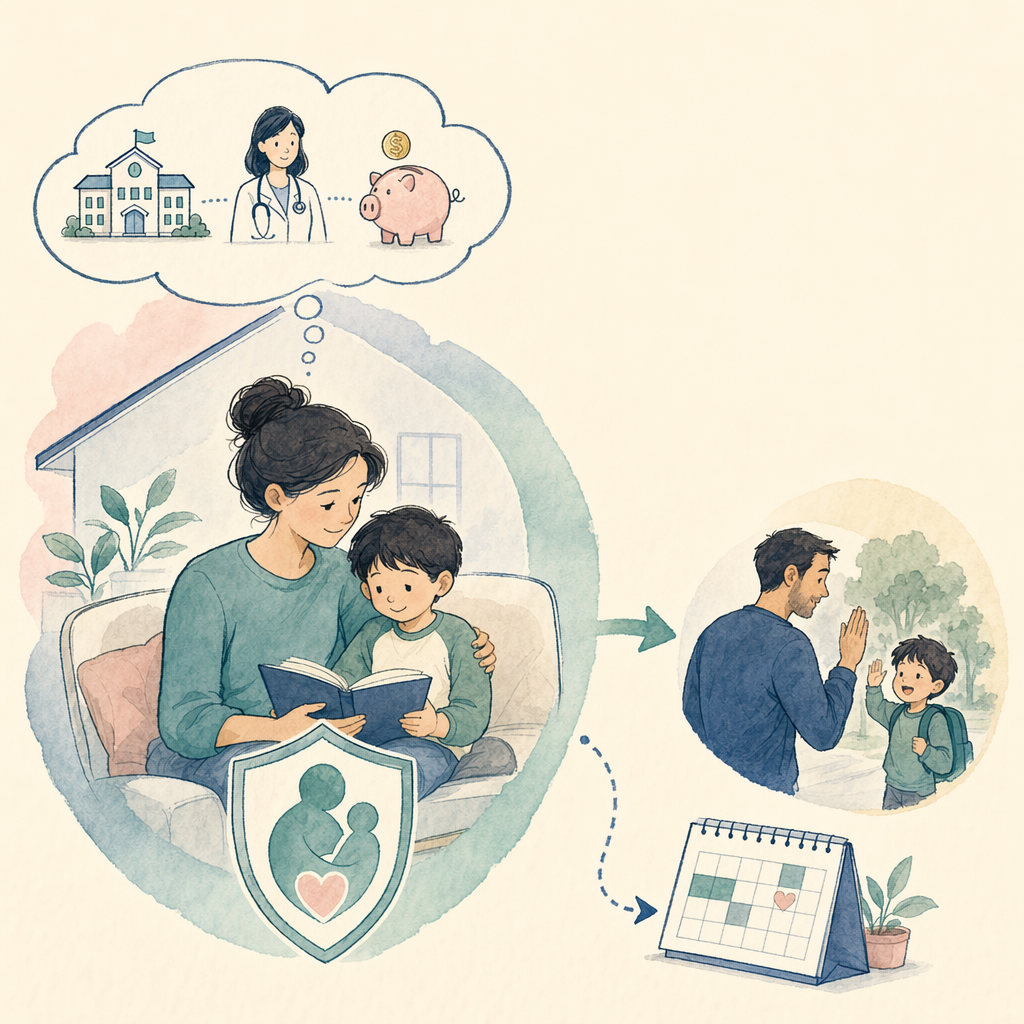
Sole custody in plain terms
“Sole custody” usually means one parent has the legal right to make major decisions for the child. These decisions often include things like education, medical care, and religious upbringing.
In many places, sole custody does not always mean the other parent has no role in the child’s life. The other parent may still have visitation (time with the child), depending on the court order and state rules.
Family law varies by state, and terms can differ. Some states use “sole legal custody” and “sole physical custody,” or use different names for similar ideas. That’s why it helps to look at the exact wording in your paperwork.
If you’re trying to understand your situation, you can also explore divorce basics or browse more guides at Guides.
Legal custody vs. physical custody

When people say “sole custody,” they might mean different types of custody at the same time.
Legal custody is about decision-making. If one parent has sole legal custody, that parent typically decides on major issues for the child.
Physical custody is about where the child lives most of the time. If one parent has sole physical custody, the child mainly lives with that parent, while the other parent may have scheduled time.
Some court orders give one parent sole legal custody but shared or scheduled physical time. Others may award sole physical custody with different visitation terms. Reading the court order carefully is key.
What decisions can be covered under sole legal custody
Sole legal custody can cover “major” decisions, but the list can vary by state and by case.
Common examples include choosing the child’s school or education plan, deciding on non-routine medical care, and making decisions about mental health treatment. Some orders also cover decisions about extracurricular activities or religious upbringing.
Even with sole legal custody, the other parent may still be entitled to certain information or may need to be involved in limited ways, depending on the order.
If you want a clearer starting point, consider reviewing your documents with a family-law attorney. If you’d like help finding one, you can use get matched.
Does sole custody mean the other parent has no time with the child?
Not necessarily. Sole custody can be about decision-making, time, or both. A parent can have limited or supervised time even when one parent has “sole” custody.
Many court orders include a visitation schedule. The other parent may have regular parenting time, holiday time, phone or video contact, or a step-by-step plan that changes as circumstances improve.
In some cases, a court may limit the other parent’s contact to supervised visits, or may require specific conditions. Courts usually base these choices on the child’s safety and best interests, but the exact standards and language are state-specific.
If your situation involves safety concerns, it’s important to talk with a qualified family-law attorney who can explain what options may be available in your state.
Why courts consider custody arrangements (general information)
Courts generally focus on what arrangement is in the child’s best interests. This is a common phrase in US family law, but it does not mean the same thing everywhere.
Judges may consider factors such as the child’s relationship with each parent, each parent’s ability to care for the child, and the child’s stability. They may also consider the child’s age, routines, and any history of conflict.
Many states also look at safety concerns, including any domestic violence or abuse. If there are concerns, courts may use orders that require supervision or specific rules.
Because the details depend on your state, the safest path is to get state-specific guidance. A family-law attorney can explain how “sole custody” is commonly applied where you live.
How to understand “sole custody” in your own paperwork
The fastest way to know what sole custody means for your case is to check the exact terms in your court order.
Look for sections that say “legal custody” and “physical custody.” If your order uses “sole,” note whether it is sole legal, sole physical, or both.
Also check for a “parenting time” or “visitation” section. The schedule will tell you how and when the other parent sees the child, if that applies.
If you’re unsure what a term means, take a photo or copy of the page and ask a family-law attorney to explain it. You can start by getting help finding an attorney through get matched.
Questions people ask
What is the difference between sole legal custody and sole physical custody?
Sole legal custody means one parent makes major decisions for the child. Sole physical custody means the child mainly lives with that parent, while the other parent may still have court-ordered parenting time.
If I have sole custody, can the other parent still communicate with the child?
Often, yes. Many orders still include communication or visitation rules for the other parent. The exact answer depends on the wording of your custody order and your state’s rules.
Does “sole custody” always mean the other parent has no parental rights?
Usually, not. “Sole custody” most commonly refers to who makes decisions and where the child primarily lives. Parental rights and parenting time can still exist, but they may be limited based on the court’s order.
Do states use the same meaning for “sole custody”?
No. Family law varies by state, and states may use different terms or separate legal custody and physical custody in different ways. The specific language in your order matters most.
What should I do if my custody order is unclear?
Consider reviewing the document with a qualified family-law attorney who can explain the terms in your state. If you want help finding an attorney, you can use [get matched](/get-matched/).
Keep reading
The US Divorce Process, Explained Simply
A plain-language guide to the us divorce process, explained simply for people navigating f
Learn more GuideYour Rights in a Divorce
A plain-language guide to your rights in a divorce for people navigating family law in the
Learn more GuideDivorce and Your Immigration Status
A plain-language guide to divorce and your immigration status for people navigating family
Learn moreNot sure where to start?
Tell us what you need and we'll connect you with a qualified family-law attorney near you. Free to request, no obligation, in your language.